Concrete’s CT token has arrived on Binance Alpha with an airdrop whose eligibility threshold can change. Remaining rewards and a 24-hour confirmation window also determine access. Holding CT does not grant a share of protocol profits.
Quote.Trade’s latest release focuses on keeping trading strategies private while showing the full execution price upfront. Visible on-chain collateral does not mean that matching and risk management also take place on-chain.
Investors can now gain ZEC exposure through another route that does not require a crypto wallet. Valour’s Swedish listing brings the asset’s price movements into brokerage accounts, without providing its on-chain privacy features.
Tether is highlighting its cooperation on sanctions enforcement as a U.S. Senate report argues it should have acted earlier and more comprehensively. The amount at issue covers freezes made throughout the year.
Ethereum holders have a new route into Aave App. The stablecoin deposit update comes with an access code for waitlisted users, but does not amount to a general release across all platforms.
Bitwise’s NEAR fund pairs exchange access with a plan to stake its holdings. Investors would gain price exposure without holding tokens themselves, while the fund’s withdrawal process creates a separate liquidity constraint.
A quoted amount is only part of a swap. An actual Uniswap screen and a worked cost comparison show what to check before signing and how to confirm what arrived.
A stablecoin returning to $1 does not necessarily reverse a lending loss. Dated USDC records and reproducible stress calculations show where temporary price changes can become lasting shortfalls.
Visa’s data refresh filters out more instances of the same funds moving repeatedly between wallets. Dollar volume and transaction count changed by different amounts, affecting comparisons of stablecoin usage.
Travala buys the same quantity of AVA as the foundation purchases for rewards, placing its tokens in a separate reserve. The company says it will not sell or transfer them out; the tokens are not burned.
Explore pool selection, price ranges and withdrawal through a documented Uniswap v3 example. A worked comparison separates fee income from performance against holding the original tokens.
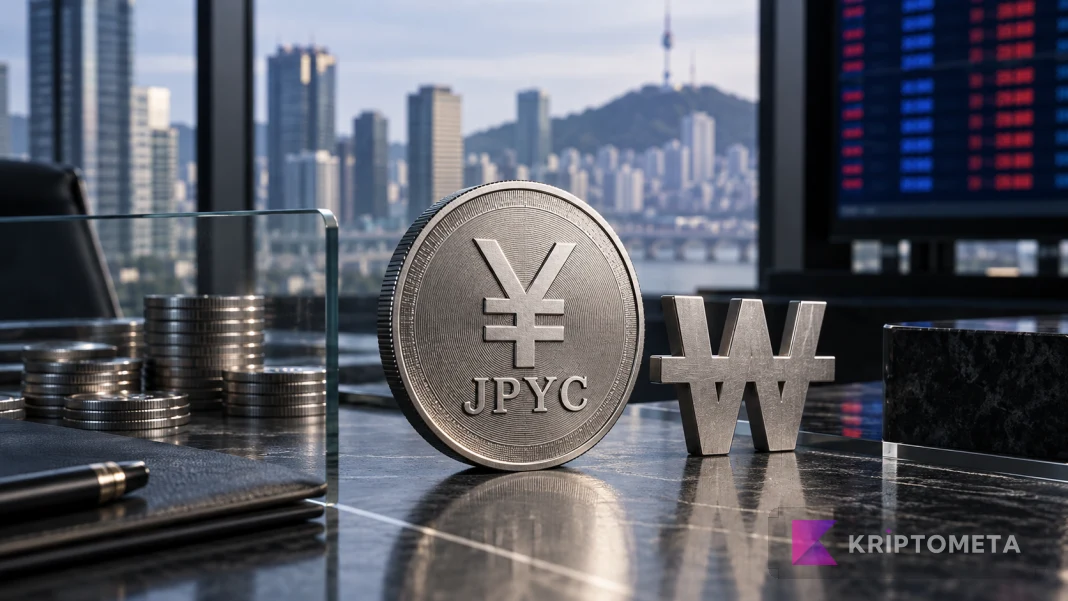
JPYC’s jump above four times its reference price on Upbit has sharpened calls for liquidity safeguards in South Korea’s won stablecoin framework. Industry voices say reserve backing alone cannot keep exchange prices in line.
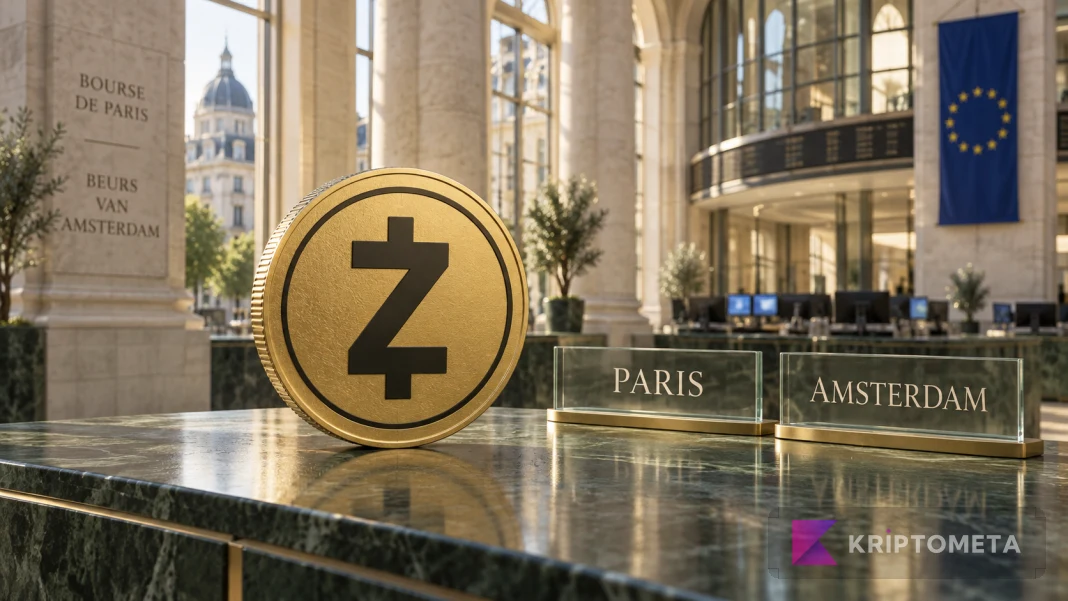
21Shares has brought Zcash exposure to two European exchanges through an investment account. Listed on September 22, ZCASH is physically backed by ZEC and carries a 2.5% annual fee.
The Federal Reserve has opened reserve and capital proposals for stablecoin issuers it supervises. Governor Michael Barr wants the final framework to make access to redemption clear, including when markets are under stress.
AlphaFi is winding down on Sui after an oracle configuration issue. New deposits and borrowing have stopped, while existing users can still withdraw their assets.
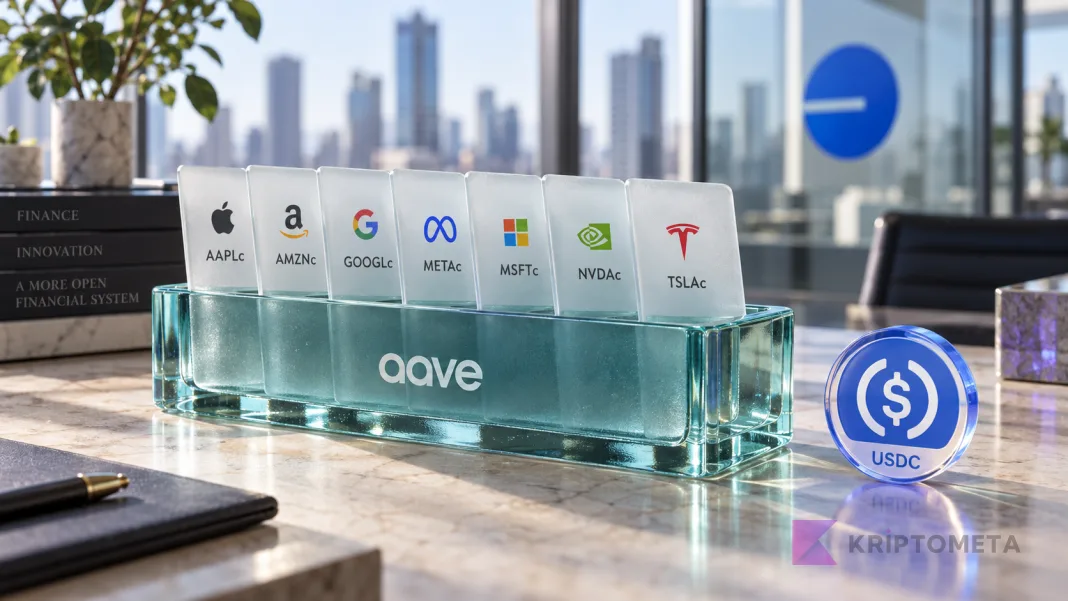
Tokenized shares including Apple and Nvidia have become borrowing collateral on Aave. The credit market runs around the clock, but its stock-price feeds operate on a more limited schedule.
This Lido analysis uses the H1 2026 report to examine the path from staked ETH to fee revenue and LDO rights. Shared-pool economics and a tokenholder’s claim are evaluated separately.
Comparing liquid staking with solo staking on Ethereum starts with control and the route back to ETH. Reward rates need to be read alongside expenses, queues and executable token prices.
We inspected PancakeSwap’s swap screens without connecting a wallet on September 27, 2026. Network and token selection and expanded quote details were accessible; execution, signing and security testing remain outside the review.
Your first DeFi decision is what you want your assets to do. Swapping, supplying a lending pool and providing liquidity create different obligations; choosing a route means budgeting for the way out as well as the way in.