Five platforms automate trading in different ways. We examine their documented controls, monthly costs and custody arrangements, with annotated reading guidance for official interface examples.
For U.S. readers, the relevant comparison is the eligible product and its total cost. Coinbase and Kraken each have different order-book and simple-buy pricing models.
Coinbase pairs simple purchases with a more detailed Advanced order book. The useful comparison is what an eligible US account can do, what reaches the destination after costs, and when funds can leave the platform.
Snapshot’s proposal, result and vote-list screens reveal how participation is distributed. A real SafeDAO example shows why a high approval rate is not proof that a decision has been executed.
We inspected PancakeSwap’s swap screens without connecting a wallet on September 27, 2026. Network and token selection and expanded quote details were accessible; execution, signing and security testing remain outside the review.
Compare five familiar wallets by the tasks they actually support. Network limits, recovery choices and a worked cost example help narrow the shortlist beyond brand recognition.
Exodus makes portfolio management accessible, but that no longer makes it a Web3 connection tool. We assess the current product boundaries, recovery choices and the cost of smaller transactions.
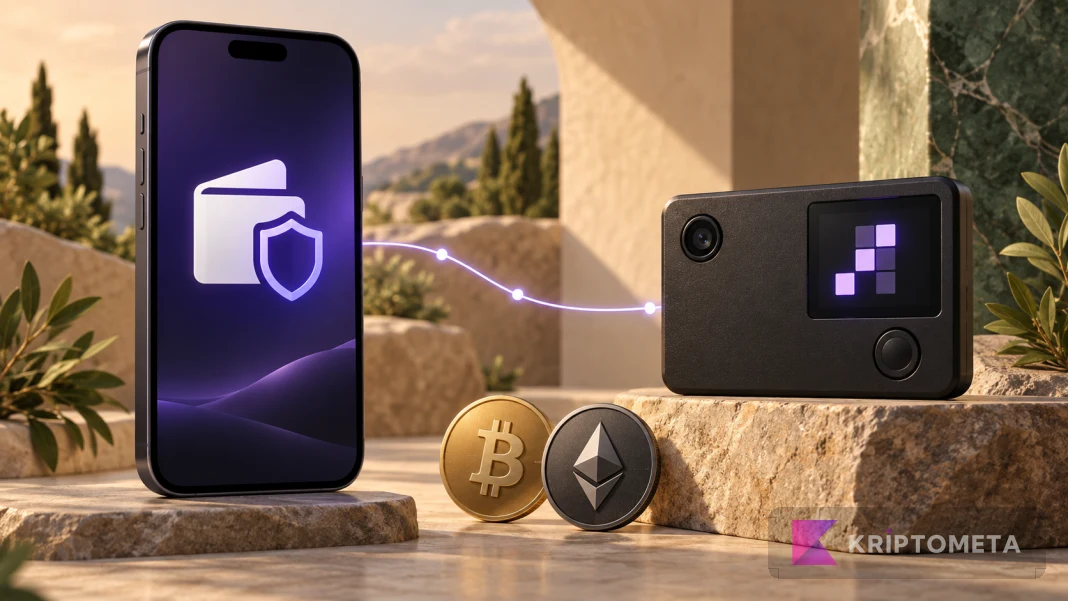
One SafePal app can expose several custody and signing routes. We assess software-only use, swap routing and security boundaries through official screens and practical examples.
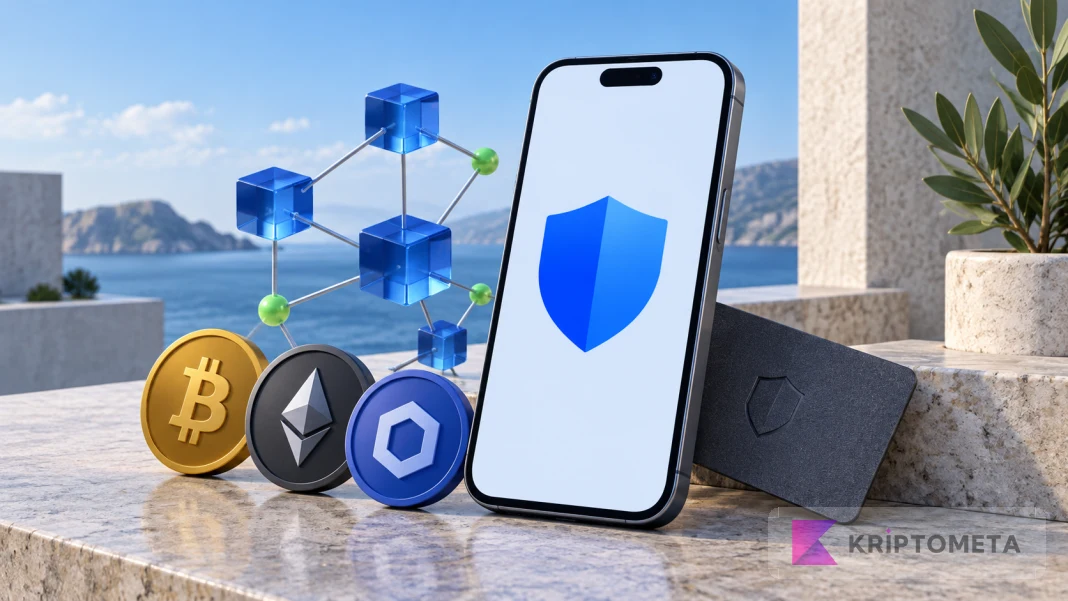
Trust Wallet brings several networks into one app. We assess whether its fee previews, recovery options and security history fit the way you plan to use a wallet.
Phantom makes several networks feel like one wallet. Its usefulness still depends on network coverage, the recovery source behind each account and what a swap actually leaves you with.
The Sandbox’s current homepage centres on Studio. We followed an open Farmadillo demo into its help panel and game area, while keeping game creation, asset compatibility and earnings claims outside what that short trial proves.
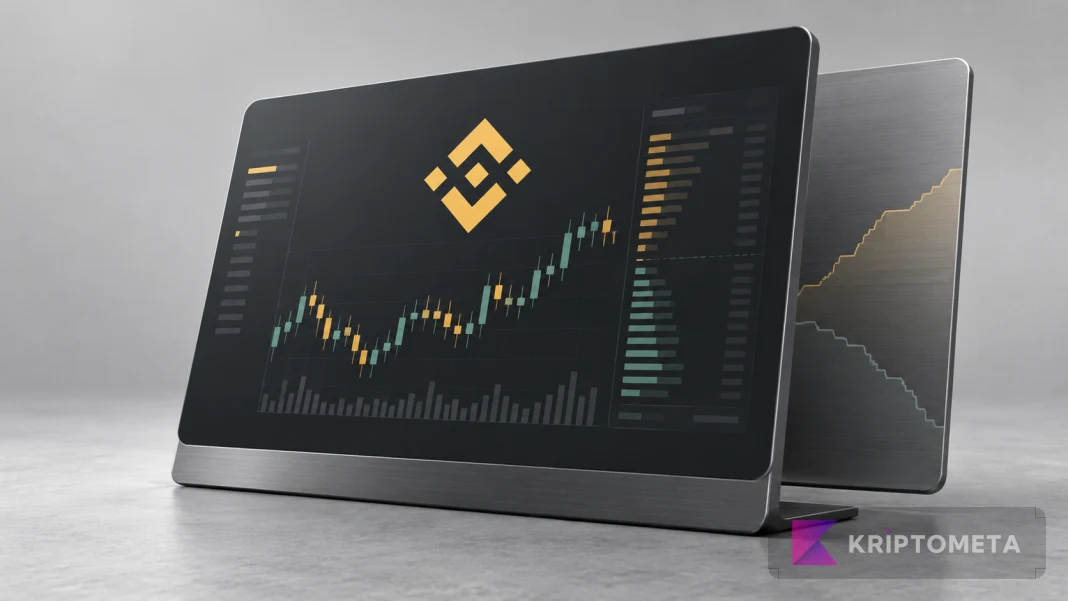
Binance Global’s spot interface combines order controls with a dense market view. We examine its public screens, costs and custody trade-offs, with clear limits on what was tested.
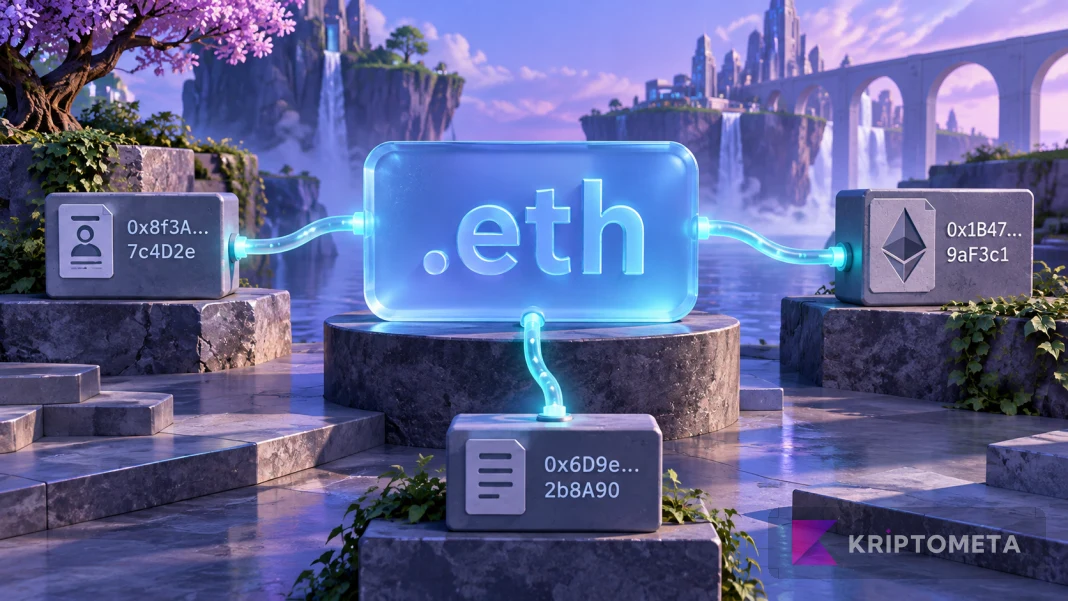
Our ENS review looks beyond choosing a .eth name: annual registration costs, network fees, expiry dates and address controls. Screens from the official app show both the convenience of readable names and the maintenance they require.
We inspected Aave V3 Core without connecting a wallet. Real USDC reserve screens separate rates, liquidity and collateral limits, with clear boundaries around what was not tested.
MetaMask gives users separate controls for connected accounts and networks. Its convenience still depends on understanding spending permissions, recovery responsibilities and the full cost of a swap.
Kraken Pro puts an order book beside the trading form. We examined the public interface to see which decisions the controls clarify, where fees enter the calculation and what changes on a narrow screen.
The useful part of a Dune chart is the calculation you can inspect behind it. We followed a public DEX dashboard to its query and assessed access, data age and the measurements most easily misread.
Two readers can draw very different conclusions from the same DeFi dashboard. The useful part of DeFiLlama is learning which scope and metric definition sit behind the headline number.
Picking two tokens is easy; understanding the quote takes more attention. We inspected the Uniswap web app through real screens, separating the decisions it simplifies from those it leaves to the user.
This Etherscan review asks whether a dense set of blockchain data makes a transfer or contract easier to understand. We opened a public USDT transaction on desktop and at mobile width, comparing useful features, easily misread fields and the limits of our test.