Zano’s recovery has entered a new phase after a month-long rollback. A functioning chain, updated wallets, the return of exchange services and recovery for affected transactions remain separate steps.
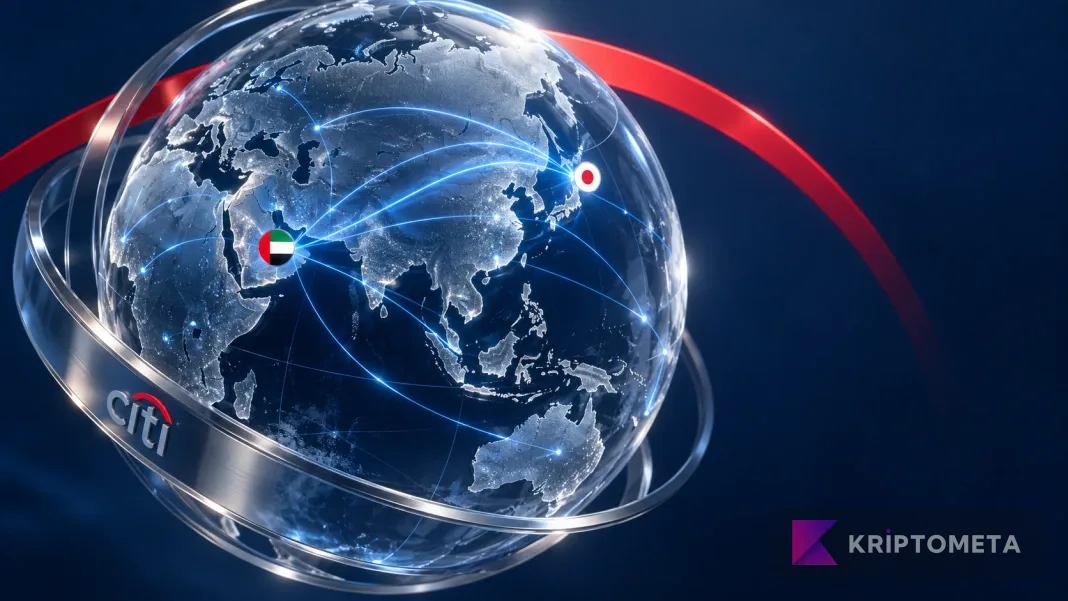
Companies and financial institutions with accounts in Japan and the UAE can move funds to supported Citi markets without waiting for bank cut-off times or holiday calendars.
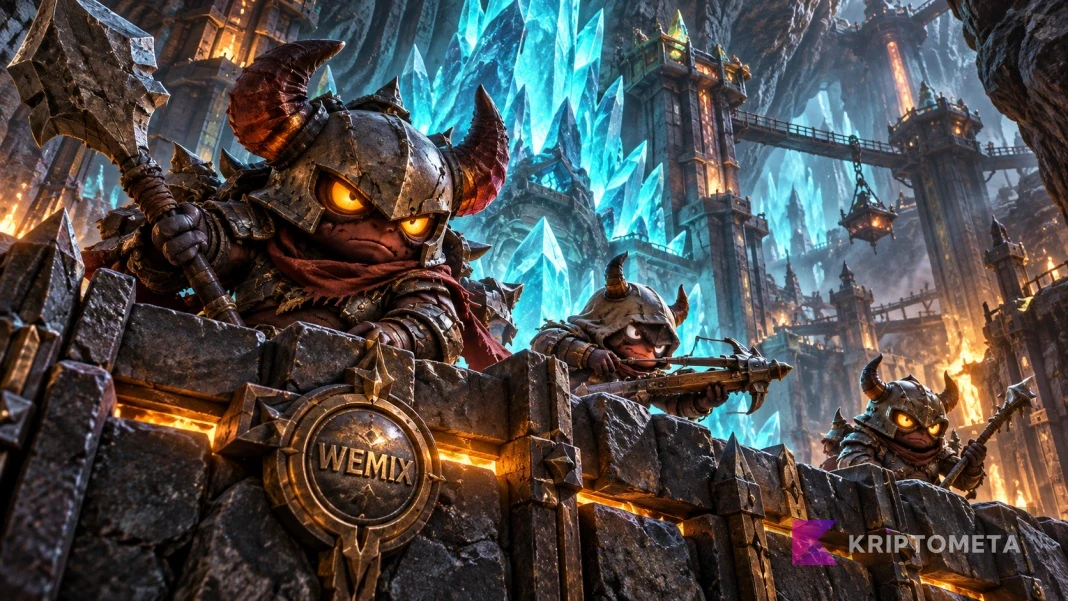
Stone Rush brings a Web3 economy to a game built around defending mines. The launch gives players a route from in-game resources to WEMIX, but the exchange channel and its limits matter.
Oracle wants to help banks move tokenized deposits beyond their separate networks. Its Swift integration is designed to bring digital-asset activity and established payment processing into the same workflow.
Coinbase plans to connect packs opened on a phone with real collectible cards. Buyers would be able to store their pulls or request delivery, but the costs and access rules are still to come.
Backpack CEO Armani Ferrante wants to expand tokenized equities to 10,000 symbols. The plan connects brokerage accounts with DeFi in both directions, while its EWY product offers a concrete example of the model already in use.
A flaw in a legacy Limit Break payment contract has put old NFT approvals back in focus. The rescue team says it secured 23,155 NFTs, while Magic Eden is urging former EVM users to revoke affected permissions.
The Eurosystem launched Pontes on September 21 to settle tokenised asset transactions in central bank money. Deutsche Bank and Santander are among the initial participants, while the ECB is preparing investments from its own funds.
ARK Venture Fund (ARKVX), whose portfolio includes OpenAI and Anthropic, now has a tokenized version through Securitize. Blockchain ownership keeps the fund’s investor eligibility and exit restrictions in place.
Upbit-backed GIWA has responded to claims of a leaked mainnet connection. Its documentation lists only a Sepolia test network, while the project warned users about false information and scams.