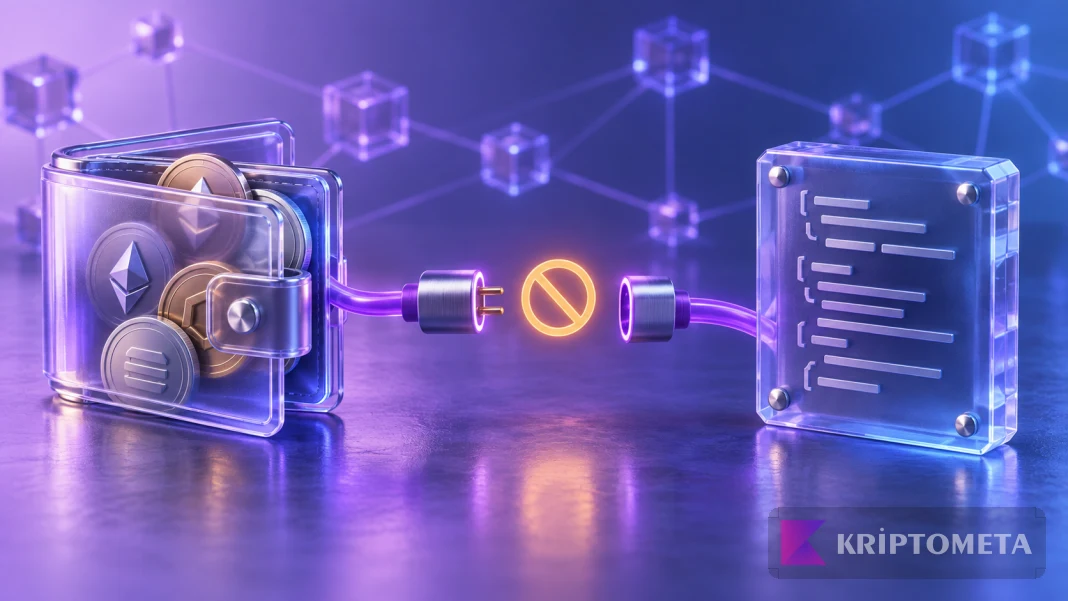
Rollup security assessment starts with the conditions under which transactions and exits remain possible. Five checks and a dated Arbitrum example separate proof verification from administrator authority.
An ETF table may place billions in assets beside millions in inflows and heavy exchange volume. Reading it correctly starts with the transaction each number measures and the time period it covers.
Your first DeFi decision is what you want your assets to do. Swapping, supplying a lending pool and providing liquidity create different obligations; choosing a route means budgeting for the way out as well as the way in.
A DXY reading of 105 does not mean $105. Reading the basket, the starting value and the chart’s data type turns an unfamiliar index number into a statement you can check.
Start with the game, not a token purchase. This guide builds a practical sequence for checking the demo, device requirements, asset rights and total cost before spending money.
Collateral prices are only part of DeFi borrowing risk. Work through changes in debt, repayment choices and the limits of alerts with explicit numerical assumptions.
A green number on a calendar is not necessarily good news for crypto. Separate the reporting period, forecast surprise and revisions before interpreting a release.
Before buying an NFT, look beyond the artwork and its price tag. A matching contract, clear usage rights and understandable wallet permissions provide a firmer basis for the decision.
A fee advertised as zero tells you little about the cash you will receive. Compare the executed price and withdrawal charges, then use the payment record to follow the money.
The lowest withdrawal fee does not necessarily identify the right route. Check what the recipient supports, which extra details are required and how much will actually arrive.
The first purchase check starts before the confirm button. Account security, the correct trading pair and net cost need to be read together. Six stages explain the gap between placing an order and completing a purchase, with a worked cost comparison.
Applications you no longer use may retain spending permission. Checking the network, spender and limit in the right order helps you identify which approvals to remove.
Similar-looking wallet screens can hide very different security arrangements. Before comparing download counts, decide which assets and networks you will use and how you would regain access after losing a device.
Recovery words can become more consequential than the device they protect: hardware can be replaced, but an incomplete or exposed backup is harder to fix. Plan for unreadable records and lost access as well as theft.
Learning how to analyze tokenomics starts with supply and allocation records, not the price screen. Who receives tokens, when they can move them and where rewards come from can reveal very different risks behind similar price tags.
Stablecoin risks extend beyond the dollar sign next to your balance. Who backs the token, which network holds it and how you can cash out explain why two similar-looking balances can carry different risks.
A transfer marked “sent” has not necessarily reached the recipient’s available balance. Looking up its transaction ID helps separate progress on the blockchain from processing at the receiving exchange.
Crypto assets traded on an exchange do not all serve the same payment or application functions. Comparing their uses means looking separately at network costs, supported transactions and the rights an asset actually provides.