






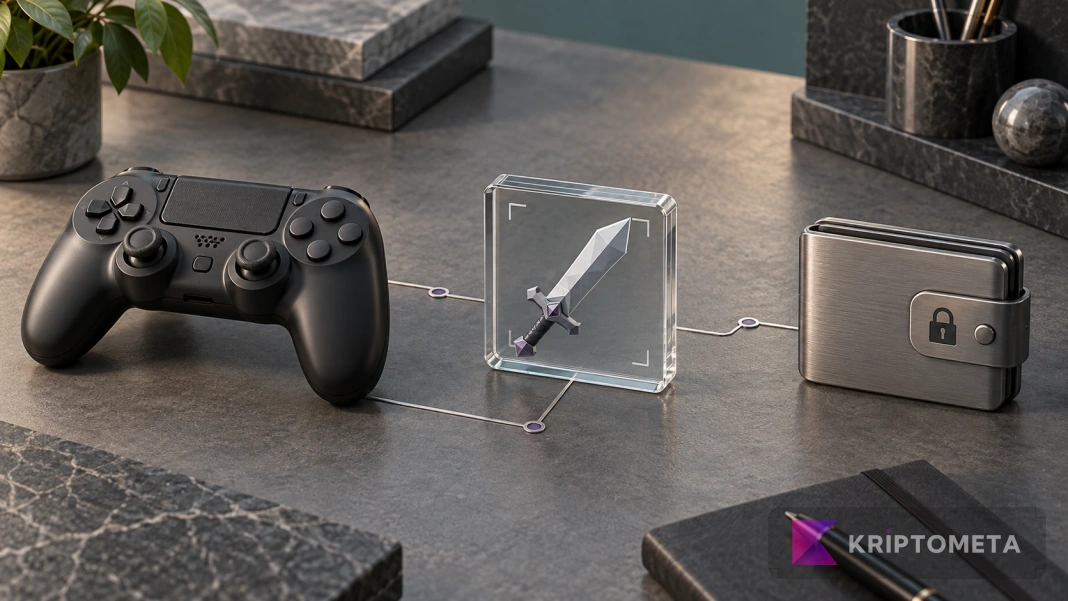
Start with the game, not a token purchase. This guide builds a practical sequence for checking the demo, device requirements, asset rights and total cost before spending money.
Evaluate a Web3 game as a game first, then decide whether its wallet, NFT and reward features deserve a commitment. A free demo can reveal whether the controls make sense, whether it runs on your device and whether you want to return. Before paying, establish what you are buying, what you are authorising and what you could take with you when you leave.
The sequence below does not promise income from any game. A project selling assets before showing playable content provides different evidence from one with an accessible demo. Let the evidence determine how far your assessment can go.
Use the first session to assess gameplay
Set aside a short trial. Is the first task understandable? Can you find control instructions? When something fails, can you tell why? A token’s price does not answer those questions. Notice the difference between returning because you want to play and returning because you fear losing a daily reward.
If an installation is required, follow the store or publisher link from the project’s official domain. Avoid setup files supplied by social accounts impersonating support. Check the domain for browser demos as well: free entry does not make every later wallet request safe.
Separate device support, account access and release status
A promotional image on a phone does not prove that a version is available for yours. Look for current operating-system support, sign-in requirements, regional availability and release information. A waitlisted beta and an immediately playable demo are different stages.
Clarify what “free” covers. It might describe an opening section, while progression or a seasonal event has separate conditions. Do not treat an old event reward page as the current access policy. A trial that lets you postpone account creation and purchases requires a smaller initial commitment.
What rights come with the token or NFT?
An NFT represents an identifiable token record. Its appearance, use and transfer within a game depend on that product’s rules. Ethereum’s NFT explanation describes the ownership record; the same record does not oblige every game to recognise the same item.
A sword NFT held in a wallet and a working sword in a second game are different things. That second game must support the appearance, balance and permissions involved. If the original game’s servers close, the token may remain while the service that used it disappears. Our NFT pre-purchase checklist covers contract, metadata and rights checks in more detail.
Translate an ownership claim into four questions: Can I transfer the token? Can I sell it? Can I use its artwork commercially? What file or service remains accessible if the game closes? An affirmative answer to the first does not answer the other three.
Connecting a wallet is not the same as approving asset access
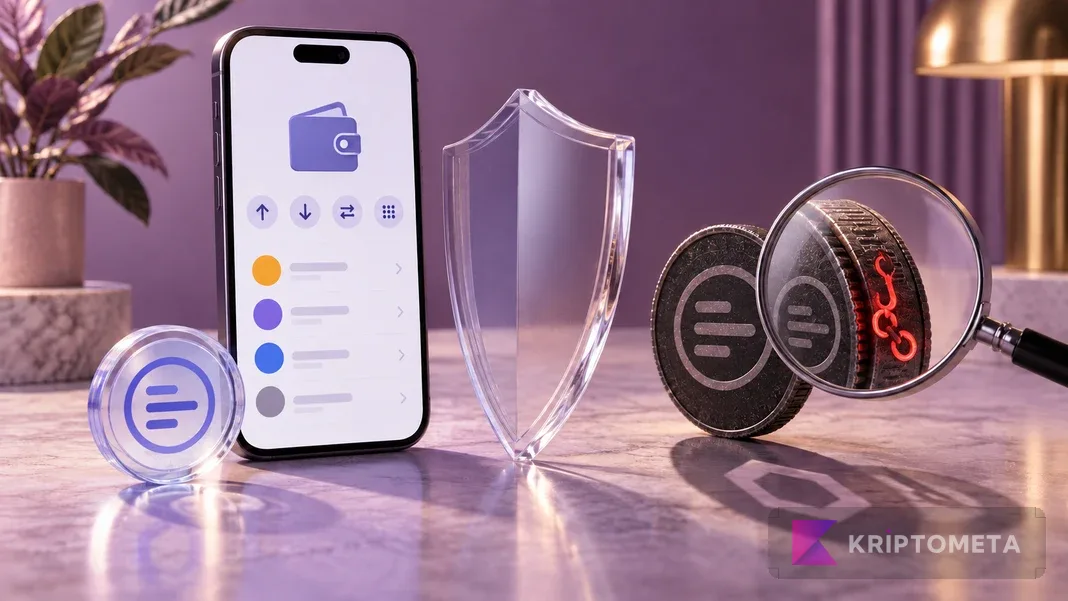
Do not treat a connection request and an asset permission as the same confirmation. The network, contract and amount involved should be understandable. Stop rather than signing an unclear request merely to get into a game. A game account password is different from a wallet recovery phrase; game support should not ask for that phrase.
MetaMask’s disconnect guidance explains that disconnecting a dapp does not revoke existing token approvals. When leaving, review the relevant token permissions. A separate wallet with a limited balance can reduce exposure, but it does not make a dangerous signature safe.
A sample budget beyond the entry price
Suppose Alex buys a game asset for $20 and pays $2 in initial network costs. Later, the asset sells for $17, with a $1 selling cost and $1 exit transaction cost. These are illustrative numbers, not market quotes or currency conversions.
| Movement | Amount |
|---|---|
| Initial spending | $20 + $2 = $22 |
| Net sale proceeds | $17 − $1 − $1 = $15 |
| Net cost | $22 − $15 = $7 |
If no buyer appears, the $15 return never happens and the $22 has still been spent. Deducting earned but unsold tokens from costs would make the budget look better than its cash outcome. Time, taxes and any other charges are excluded from the example.
Think in terms of an entertainment expense you can afford without repayment, rather than a promised payback period. Game rewards are not an employment contract. Before increasing a commitment, check the exit conditions and whether a functioning market actually exists.
What should the reward page disclose?
- Eligibility: Does claiming depend on tasks, ranking, location or identity verification?
- Distribution: When can the reward be claimed, and are there locks or deadlines?
- Unit: Is the balance a game score or a transferable token?
- Exit: Are minimum amounts, network costs and buyer liquidity known?
- Changes: Is a future season being marketed as though its rules were already fixed?
Mark missing information as unknown rather than assuming a favourable answer. Published conditions still do not guarantee earnings. Date your notes and revisit them when the product changes.
Continue, wait or stop
If you enjoy the game, understand its account conditions and can keep purchases optional, continuing a free trial can provide useful evidence. Unclear asset rights or withdrawal conditions are reasons to postpone a purchase. A recovery-phrase request, an unverified installer or a broad permission you do not understand is a reason to stop the action.
Finish with a reasoned note rather than only a star rating: “The controls are clear and the free section works; I have not paid because the asset rights are unclear.” That record gives you a decision standard independent of the promotional copy.
The GameFi definition provides a short explanation of points and tokens. The GameFi economic analysis examines reward funding, while the Sandbox review follows an accessible demo flow.