







The effort to fit a staking-reward cut into the next upgrade’s timetable has stopped. Its authors want a dedicated process to examine issuance, security and the position of independent validators.
Ethereum’s EIP-8363, which proposed burning part of validators’ rewards, has been withdrawn from consideration for the Hegotá upgrade. Co-author Jérôme de Tychey said on October 1 that the process for deciding an upgrade’s scope was not the right setting to settle an issuance policy change. The authors still want to pursue the issue through a separate, broader discussion.
“The topic is too important and raised too many concerns that it deserves its own process.”
Jérôme de Tychey’s statement withdrawing EIP-8363
The post loads from X when you open it.
What would the reward burn have changed?
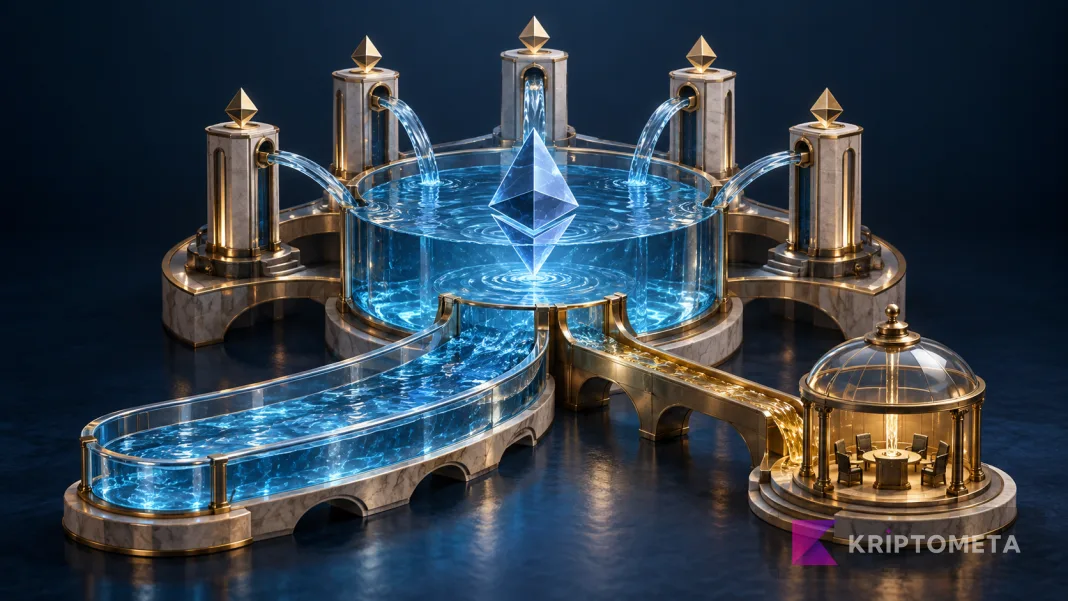
The EIP-8363 technical draft proposes burning a growing share of validators’ consensus rewards as more ETH is staked. Its goal is to offset the newly issued ETH earned by correctly performing validators when staked supply reaches a threshold of roughly one half. The deducted ETH would be destroyed, rather than redirected to an organisation or treasury.
The roughly 50% figure is a proposed staking threshold, not a cut of half of all staking income. Priority fees and MEV income are outside the burn’s scope. The draft also describes an 18-month transition from activation to cushion the reduction in rewards; that countdown has not started.
Existing rewards have not changed. Publishing an Ethereum Improvement Proposal does not activate it on the network. EIP-8363 is still listed as a draft. Withdrawing it from Hegotá does not remove the transaction-fee burn already in operation.
The objections extend beyond the yield
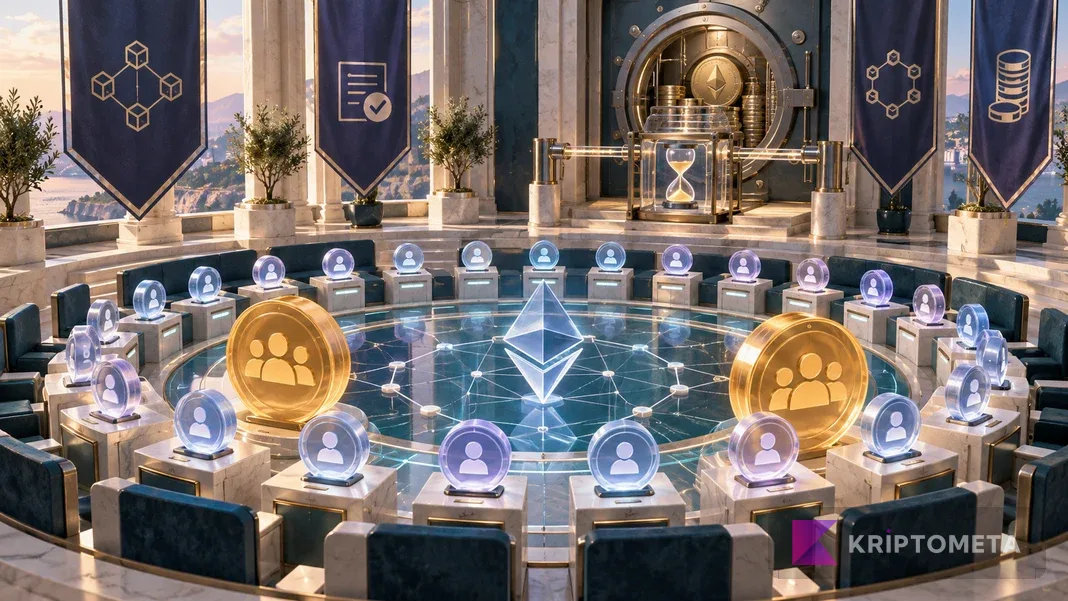
De Tychey grouped the open questions around security, products built on staking yield, the design of the reward curve, who remains in the validator set, and the position of solo operators. He also said organisations including Lido had offered to help steer a dedicated process.
Early objections in the Ethereum Magicians discussion focus on the limited review time for such a change and how lower income could affect operator diversity. Less ETH being staked does not automatically mean greater decentralisation: large businesses able to operate on lower returns could gain weight. The proposal’s supporters, meanwhile, argue that a high staking ratio could concentrate power among custodians and large pools.
For people using liquid or solo staking, the outcome depends on more than the same gross reward; service charges and operating costs also matter. The ETH price determines its dollar value, while the policy under discussion targets protocol rewards denominated in ETH. Ethereum’s balance between issuance and burning therefore also matters to holders who do not stake.
Hegotá’s other changes remain on the table
Ethereum’s official Hegotá page lists the upgrade as being in planning. FOCIL, which aims to make transaction censorship harder, and frame transactions, which give accounts more flexibility over transaction validation, are the two changes scheduled for inclusion. Mainnet is expected in the second quarter of 2027, without a confirmed date.
Withdrawing EIP-8363 does not cancel Hegotá. The next development to watch in Ethereum news is how the separate issuance review takes shape. No replacement reward curve or activation date has been announced.