











Crypto glossary
What is the difference between a coin and a token?
 KriptoMeta Editorial Team
- Added:
- Updated:
In common technical usage, a coin is a blockchain's native asset, while a token is an asset created on an existing network. The difference comes from the network role, not the price or logo. In everyday discussion, “token” can also be used more broadly for crypto assets of either kind.
The distinction comes from the network role
A native asset may support network fees or security. A smart-contract token has balances and transfer rules tracked by its contract. Creating a token does not necessarily require building a new blockchain.
This is not a quality ranking. Being a coin does not establish safety, and being a token does not imply worthlessness. Issuance, administrative powers and the terms of use require their own assessment.
ETH and USDC as an example
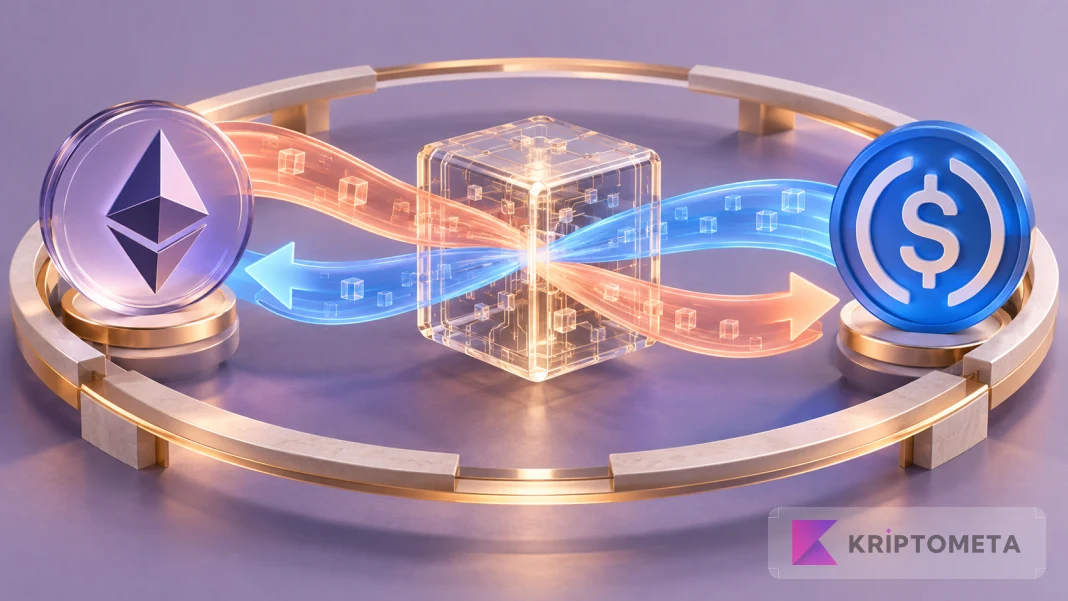
ETH is Ethereum's native asset. The Ethereum version of USDC operates through a token contract. Seeing both in the same wallet does not make them the same asset or give them identical roles in paying network fees.
USDC also exists on other networks, so its name alone is insufficient to identify the correct version. The stablecoin network and contract checklist explains how that distinction matters when transferring funds.
Keep exploring